The Syrian Supply Chain Opportunity (+2026)
Syria’s economy is transitioning from 14+ years of conflict toward reconstruction and reintegration with global markets. The scale of physical damage and economic collapse means rebuilding will remain a multi‑decade process, with demand across infrastructure, manufacturing, food systems, services, and financial systems.
Historically known as a vital crossroads connecting East Asia with Europe, Syria served as the western terminus for Silk Road caravans, with key trading hubs in Aleppo, Damascus, and Palmyra. In the future, Syria's role on the New Silk Road (Belt and Road Initiative) is viewed as crucial by China for connecting the Levant to the Mediterranean, although this potential is currently hindered by infrastructure destruction, geopolitical instability, and a 2024 change in government. Syria's Historical Location on the Silk Road
- Nexus of Commerce: For centuries, Syria was a natural center for exchange, with cities like Aleppo and Damascus acting as bustling hubs for spices, textiles, and metals passing between Asia and the Mediterranean.
- Key Hub: Aleppo's old city was a major stop, while Palmyra (Tadmor) functioned as a crucial trade and caravan center for goods moving toward the Mediterranean coast.
- Cultural Exchange: The Silk Road facilitated not just trade but the movement of ideas, with Syrian cities becoming centers for a blend of Roman, Byzantine, and Islamic cultures.
The Future and "New Silk Road" Integration
- Belt and Road Initiative (BRI): In 2022, Syria officially joined China's BRI, aiming to connect Chinese trade via Iran and Iraq through to the Mediterranean port of Latakia.
- Strategic Logistics Hub: Syria is envisioned as a vital link connecting the Persian Gulf and Asia to Europe and Africa, bypassing the Suez Canal.
- Reconstruction Opportunities: China has expressed interest in rebuilding Syrian infrastructure (oil, gas, transportation) to solidify this route.
- Challenges to Future Potential: The 2024 collapse of the Assad regime and the ongoing instability create significant uncertainty. Furthermore, alternative regional logistics projects, such as the "IMEC" corridor (India-Middle East-Europe), currently bypass Syria in favor of safer routes through Jordan and Israel.
Syrian's Industries
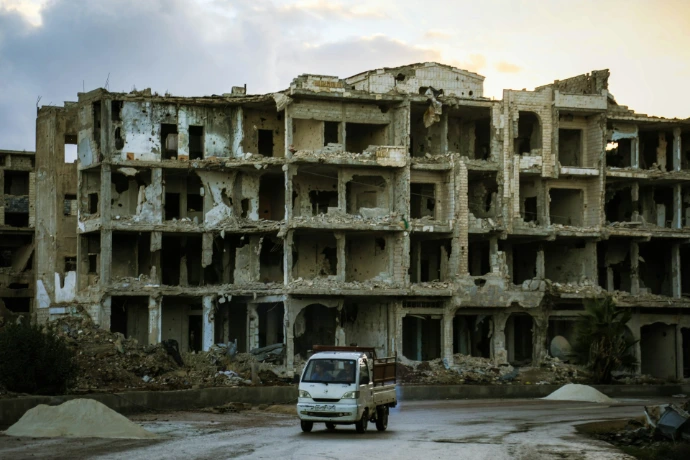
1. Construction & Infrastructure
Massive Demand, Long‑Term Work
Reconstruction needs are enormous — estimates of physical damage range up to ~$216 billion, spanning housing, roads, bridges, schools, hospitals, and utilities.
Government and new authorities have signalled prioritization of reconstruction, with institutional structures (e.g., Syrian Development Fund) created to mobilize public contributions and coordinate recovery projects.
Key Opportunities
✓Residential & social housing projects — Returnee housing, family apartments
✓ Public infrastructure — Schools, clinics, hospitals, water treatment, sewage
✓ Transport infrastructure — Roads, rail links, airports, logistics parks
✓ Construction materials and equipment — Cement, steel, tiles, plumbing, glass
✓ Engineering & project management services — Urban planning, quality control, compliance
Foreign firms with engineering, urban planning, and heavy construction capabilities can compete for donor‑linked projects and international financing programs.
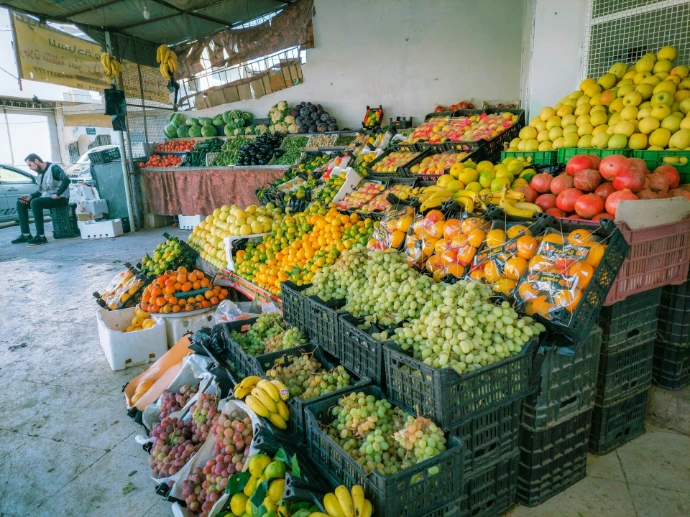
2. Agriculture & Food Systems
Food Security + Value Chain Revival
Agriculture was once a major economic backbone in Syria. In recovery, it remains essential for food security, rural livelihoods, and exportable commodities.
Key Opportunities
✔ Irrigation and water management technologies — Improving yield and reducing seasonality
✔ Greenhouse cultivation & modern farming systems
✔ Seed production, agro‑inputs, and mechanization services
✔ Food processing and packaging — Olive oil, dairy, fruit drying, flour milling involve import substitution and export potential
✔ Cold chain logistics — Crucial for perishables and value‑added agri‑products
Support programs already exist in some regions supporting wheat and potato cultivation, showing sector traction on the ground
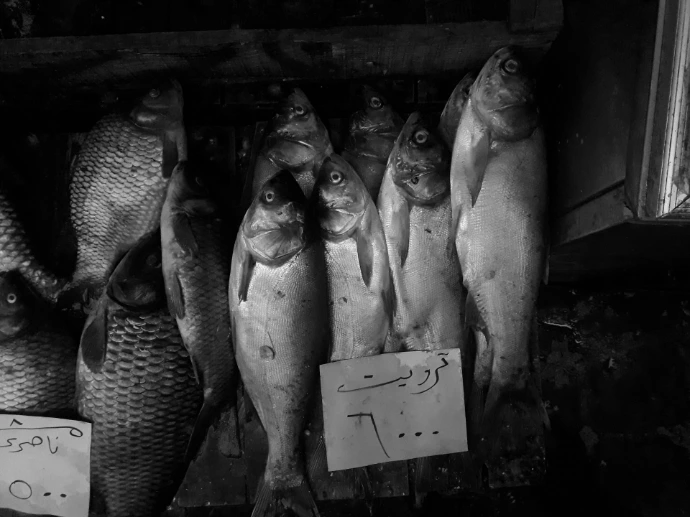
3. Manufacturing & Industrial Revival
From Textile to Chemicals
High‑Potential Sub‑Sectors
✔ Textiles & garments — Leveraging local cotton, factory heritage, and regional export demand
✔ Food & consumer goods processing — Domestic demand + import substitution
✔ Chemicals & pharmaceuticals — Long‑standing production base that can be modernized
✔ Metals, engineering & fabrication — Materials needed for reconstruction supply chains
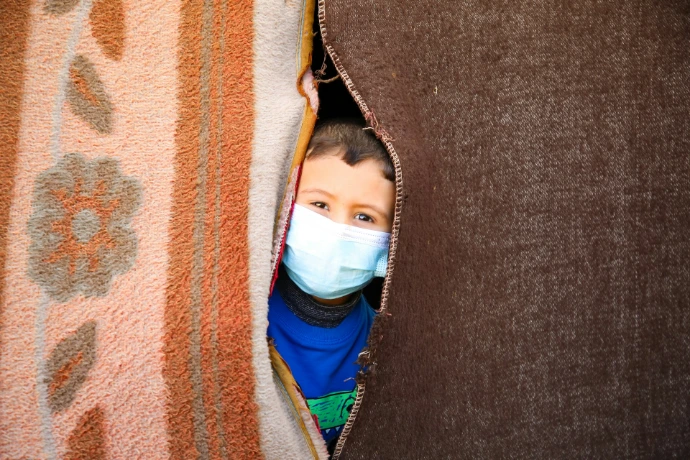
4. Healthcare & Life Sciences
Critical Recovery Sector
Healthcare infrastructure was severely degraded, generating urgent needs across the system.
Key Opportunities
✔ Hospital and clinic construction
✔ Medical imaging and equipment supply
✔ Pharmaceutical production / local generics manufacturing
✔ Diagnostics and laboratory systems
✔ Telemedicine platforms and digital health solutions
✔ Workforce training in modern clinical skills
This sector provides both humanitarian impact and business returns due to long‑term health demand.
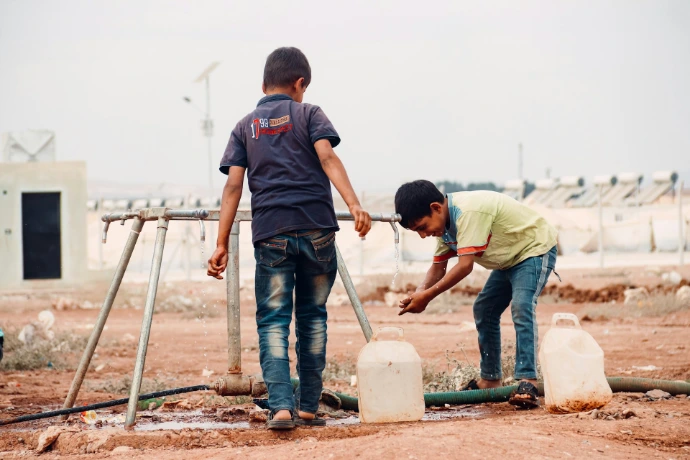
5. Energy & Utilities
Grid & Renewable Investment
Electricity shortages are widespread, and rebuilding the grid is a prerequisite for industrial and residential growth.
Key Opportunities
✔ Grid rehabilitation and power plant construction
✔ Renewables (solar, wind) — Especially for decentralized energy in remote areas
✔ Transmission and distribution infrastructure
✔ Energy efficiency and backup systems
Foreign partners have begun participating in energy projects involving gas turbines and solar capacity expansion.
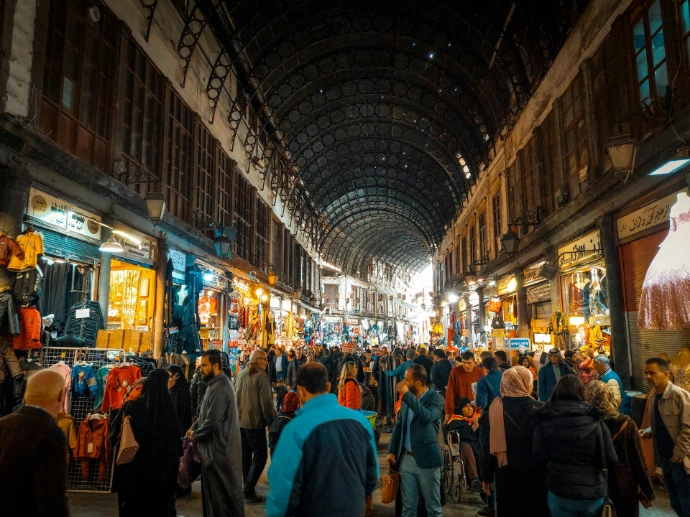
6. Aviation & Logistics
Reconnecting Markets
International and regional carriers are exploring Syrian routes as security and infrastructure improve.
Key Opportunities
✔ Airport rehabilitation and maintenance
✔ Port development (e.g., major ports like Tartus expansion)
✔ Logistics hubs and freight forwarding
✔ Cross‑border supply chain solutions for reconstruction materials
Qatar started Damascus airport with contract$4 Bn US
Strategic Considerations & Risks
In 2026, Syria's strategic outlook is brightened by a unifying post-Assad transition that leverages a resilient population and significant international goodwill to focus on economic recovery, regional reintegration, and a hopeful path toward a stable, prosperous, and democratic future.
Sanctions and Compliance
Although most of sanctions have been lifted, navigating compliance is complex. Investors need legal and risk advisory support to operate responsibly and align with international standards.
Security & Stability
Ongoing security concerns and regional geopolitics can affect project timelines and risk profiles requiring cautious risk management and local partnerships.
Local Partnerships
Engaging Syrian private sector players, diaspora networks, and multilaterals can improve access, compliance, and operational success.

Ready to Transform Your Supply Chain in Syria?
Discover your Growth Opportunities